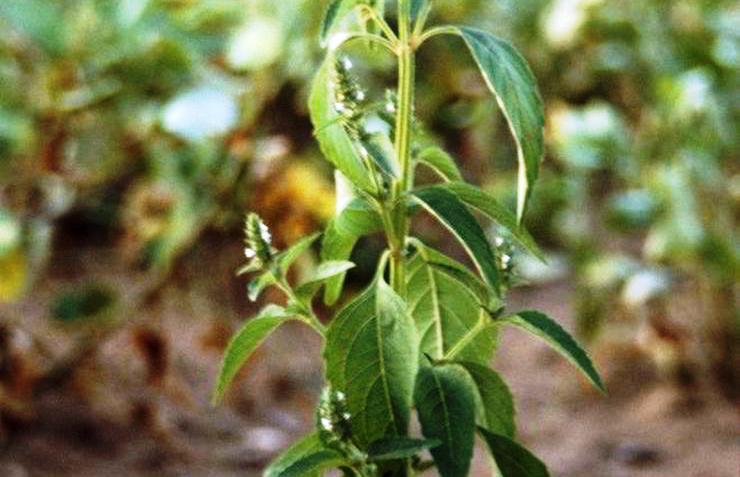
This traditional plant is widely known and used across parts of tropical Africa. It has a long history of use as both a food source and a medicine among many African communities. Due to the way its seeds are prepared and consumed, Hyptis spicigera (Black Beni Seed) is sometimes referred to as a ‘proto-sesame’.
In several communities, Hyptis spicigera and sesame/simsim are closely associated and sometimes confused with each other. They are reported to be used as reinvigorating agents, in embalming practices, and as insect repellents. Traditionally, it has been used to treat skin diseases, as well as coughs, bronchitis, gastric ulcers, migraines, headaches, pain, colds and catarrh.
One of the most recognised traditional uses of Hyptis spicigera is as a febrifuge, i.e. a substance used to reduce fever. A preparation made from the plant’s shoots is administered orally to treat fever-related conditions. The plant is also renowned for its expectorant properties, making it useful for treating coughs and respiratory ailments.
In addition, Hyptis spicigera has parasiticidal properties and is used by some communities to treat intestinal parasites and manage their symptoms. Its seeds contain oil that is rich in linolenic acid, an important omega-3 fatty acid which supports cardiovascular health, reduces inflammation, and contributes to overall metabolic wellbeing.
The seeds of the Hyptis spicigera plant are an important traditional food ingredient. They are commonly roasted and eaten as they are. In many communities, they are also ground or pounded into a pulp and added to soups, sauces and stews as a flavouring and thickening agent. This culinary use is similar to the way sesame seeds are used in several African cuisines.
Like many other traditional leafy vegetables, the leaves of Hyptis spicigera can be cooked and eaten. They provide nutrients and dietary diversity.
As an ancient crop in many African societies, Hyptis spicigera is a prime example of indigenous plant knowledge and traditional agro-biodiversity. Its continued use demonstrates the importance of traditional crops in promoting nutrition and health, particularly in rural communities. (Richard Komakech) – (Photo: Wiktrop)