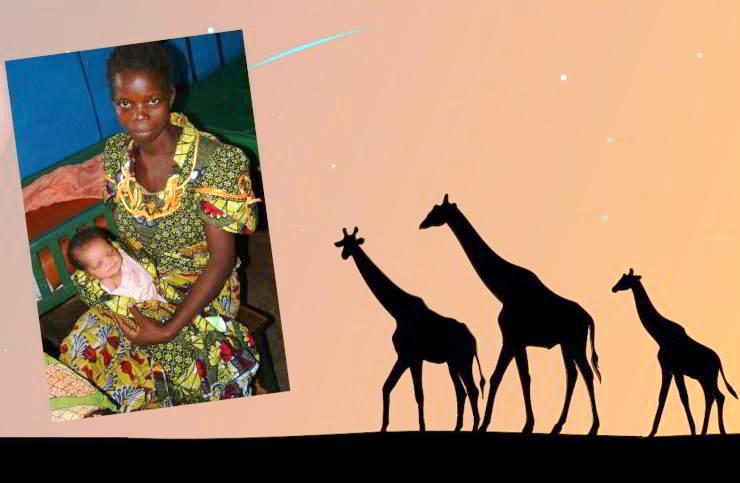
In Shi culture, birth remains one of the most important, joyful, and eagerly awaited events. It brings families together and gives hope, especially to newly married couples. It continues the ancestral line and reinforces respect for tradition.
The Bashi, also known as the Shi, are a Bantu-speaking people native to the South Kivu region in the east of the Democratic Republic of the Congo. Their ancestral homeland, known as Bushi, stretches from the highlands around Bukavu across the territories of Kabare, Walungu and Kalehe. It is estimated that there are between two and four million Bashi people.
Among the Bashi, birth is a significant occasion, marked by specific rituals that emphasise the importance of procreation. Some ancient beliefs remain prevalent today; for instance, the birth of twins is often considered to have supernatural significance. However, other rites have changed over time, particularly under the influence of modern life.
In Shi culture, a woman who becomes pregnant is considered ‘lucky’ (Iragi), and it is believed that this is the work of Nyamuzinda (God). However, if pregnancy does not occur, or takes a long time, the woman may offer sacrifices to the ancestors, such as food and drink (especially meat), and fire. She asks them to intercede with Nyamuzinda so that she may be blessed with a child.
If the woman still cannot conceive after a certain period, the mothers of the couple (the mothers-in-law) may step in. According to tradition, they organise an urgent meeting to check whether any conflicts between the two families might prevent the young bride from conceiving.
As in many other African cultures, birth in Shi culture is seen as a process with three stages: before, during, and after childbirth.
The period before delivery involves practices intended to promote a healthy pregnancy and successful birth. This may include consulting diviners to confirm that the foetus has been ‘sent’ by the ancestors, who are believed to wish to continue their lineage.
There are also taboos surrounding pregnancy. For example, a pregnant woman should avoid touching a corpse to prevent miscarriage. In rural areas, it is common practice to regularly drink herbal tea made from special leaves, which are believed to promote a healthy pregnancy and easier childbirth. Midwives often provide these leaves. However, such practices are gradually disappearing in urban areas as modern health services become more common.
The childbirth stage begins when the woman experiences labour pains, known as mikero. Traditionally, it was strictly forbidden to give birth inside the family home in Bushi. Women therefore had to leave the house and find a safe place to give birth, only bringing the newborn back under the father’s roof later. The woman is always accompanied by a midwife or an experienced helper who knows how to assist with the delivery.
Tradition does not allow a man to take part in his wife’s childbirth, so the husband cannot assist in any way during labour. After supporting the mother through the birth, it is the midwife who is known for spreading the news.
Next comes the naming of the child. Nowadays, it has become more common for women to be accompanied by a close and trusted friend, who may announce the birth when the time is right.
Certain attitudes and forms of care are considered essential after delivery. Firstly, in Shi culture, it is the husband’s responsibility to make sure his wife is served a meal she really enjoys.
Goat meat, especially the internal organs such as the intestines, is recommended, and is traditionally served with cassava leaves (sombe) and sorghum paste (buntu bwa mahemba) as these foods are believed to stimulate and support breastfeeding.
Birth remains one of the most important, joyful and eagerly awaited events in Shi culture. It brings families together and gives hope, particularly to newlyweds. It continues the ancestral line and reinforces respect for tradition.
The arrival of a newborn brings happiness and strengthens family harmony, as well as changing the social status of the parents, especially if the child is the firstborn. In Shi culture, a child is a sign of blessing, prosperity and dignity for the family. For this reason, from a cultural point of view, it is considered extremely important for a married couple to have a child. (Valentin and Michael) – (Photo: File swm & Pixabay)