The plant has a long record of use in traditional medicine for the treatment of a number of conditions.
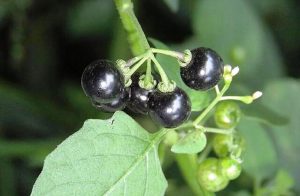
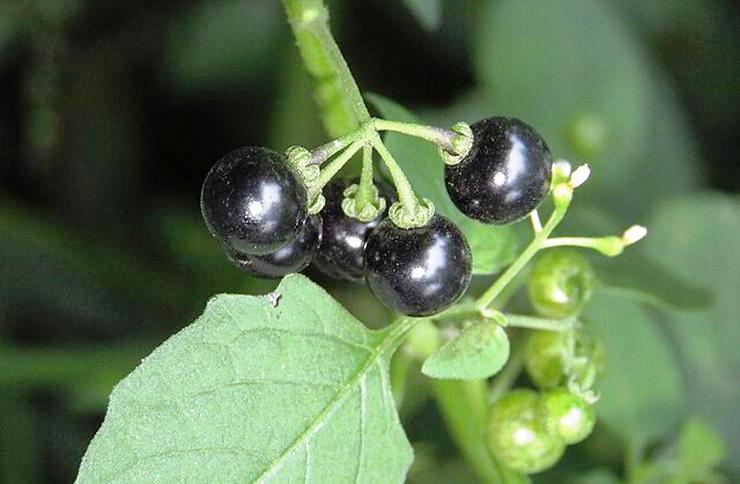
For centuries, plants have played a vital role in human survival, culture, and healing. Among these, Black Nightshade (Solanum nigrum) stands out as a modest yet remarkable species. It is a small shrub, typically 30-120 cm in height, with ovate leaves and clusters of white-green flowers that produce glossy black or purple berries.
Black Nightshade has a long history of use in traditional medicine for treating various conditions. Its fruits, leaves, and above-ground parts are utilised in managing issues such as diarrhoea, fever, stomach complaints, insomnia, convulsions, wounds, itching, phlegm, bleeding, and dysentery.
The entire plant is recognised for its tonic, sedative and diuretic properties, and is often harvested when both flowers and fruits are present. Preparations made from the whole plant are used as antidotes for snakebites and stings from venomous animals.
Decoctions are also used to treat burns and various skin infections. In some cases, the whole plant is consumed to ease coughs. The leaves and stems of the black nightshade plant are among its most widely utilised parts. Fresh leaves are pounded into poultices to treat wounds, skin infections, and ringworm, while baked leaves are used to treat warts.
Decoctions made from the leaves are consumed to relieve neuralgic pains, sore throats and coughs. In culinary traditions, the tender leaves and shoots can be steamed, boiled or cooked with onions and spices to make a nutritious vegetable dish. Medicinally, the leaves can be made into a juice or paste to treat ulcers, stomach aches, and indigestion. When applied externally, leaf pastes are believed to aid rabies treatment and general wound healing.
Though they are used less frequently, the roots have significant medicinal properties. Root juice, extracted from the plant, is used to treat asthma and whooping cough. In some traditions, boiled root preparations are used to alleviate the symptoms of jaundice and tuberculosis. Boiled root mixed with sugar is given to women to improve fertility.
The fruits of the black nightshade plant are highly valued, especially when ripe. They are considered to have mild laxative, aphrodisiac and diuretic properties and have traditionally been used to treat fevers, diarrhoea and eye infections.
Ripe fruits are sometimes eaten directly and given to children to treat bedwetting. Fruit juice is sometimes used to relieve toothache, while unripe berries are crushed into poultices to treat headaches and ringworm. Infusions of berries are used to treat eye disorders such as conjunctivitis and cataracts. In some traditions, berry preparations are also used to improve appetite and relieve asthma.
In addition to its medicinal properties, black nightshade has long been a staple of the human diet. In many communities, its young leaves and shoots are cooked and eaten as vegetables, while its ripe fruits are eaten raw or used to make dishes such as jams and salads.
Its historical role as a famine food is particularly notable, as it matures quickly and can provide sustenance when staple crops such as maize are unavailable. To this day, the black nightshade plant remains both a delicacy and a survival crop, combining nutrition and healing. (Richard Komakech) – (CC BY-SA 4.0/Vinayaraj)