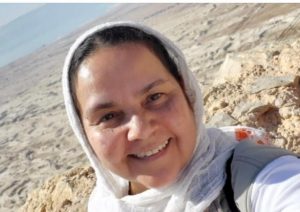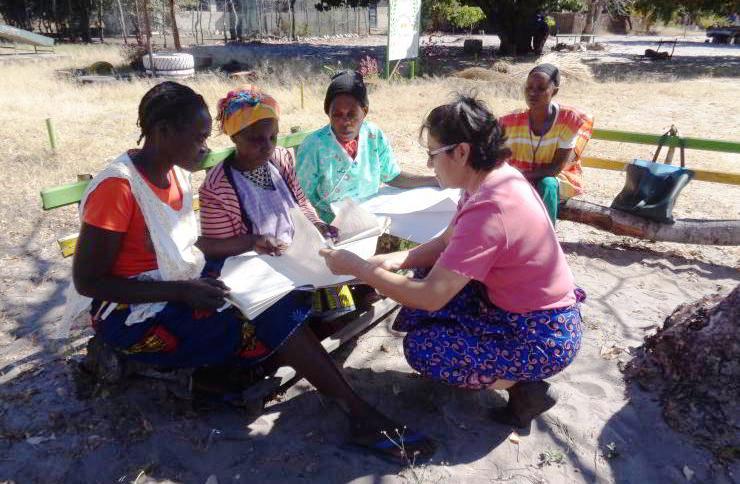
“We face many challenges and we try to do so through solutions that are accessible to everyone,” Sister Sonia de Jesus Garcia tells us about her work with an interfaith group made up of women.
One of the greatest joys of the mission is seeing the good being done for people. I see it every day in the activities we four Comboni Sisters carry out in the Kaande community, in the Zambian diocese of Mongu.
One of us is in charge of general pastoral care, another works with farmers, another is involved in education, and I, a nurse, am responsible for pastoral health care. Things are gradually improving in Kaande. We work with the Health Promoters group, comprising women who have received basic yet adequate training to support and assist with various health issues.
Most of the women I coordinate do not belong to the Catholic Church, but to other denominations and churches present in the area. They are Baptists, Adventists, or the New Apostolic Church. In the group, they are aware that I represent the Catholic Church, with the approval of my provincial superior, the bishop, and the parish priest. One day, I was surprised by a comment from one of them: “The Catholic Church is truly different. In our churches, we go to worship, pray, and sing, but we don’t address social issues like helping those in need.”
Because it’s an interfaith group, people see Catholics from a different perspective and sense that behind everything we do is the importance we place on God, which is manifested through our care for others. I’m convinced that this testimony of unity in diversity is also a way to evangelise. The work of the promoters is excellent. They have learned to care for newborns and pregnant women, and the advice they provide is very pertinent and wise. This group of women is a direct result of our mission.
We face numerous challenges, and we strive to address them through solutions that are accessible to everyone. Recently, we’ve encountered many skin problems due to poor hygiene. Families prefer to buy food rather than a bar of soap, which can be more expensive. That’s why we’ve organised workshops to teach people how to make artisanal soap.
There are things I struggle to understand, like the fact that families continue to believe that the disease is caused by someone who “passes it on” and that it makes sense to go to a shaman for treatment. This is a serious problem because families spend a significant amount of money, and, what’s more, the patient doesn’t show improvement.
We frequently visit families and strive to counsel and intervene, always with the utmost respect and consideration. It’s beautiful not to feel isolated, but rather like missionaries who serve, accompany, and support people in their faith in Jesus. As Comboni said, we try to “make common cause” and empower people to take the lead in their own development and evangelisation.